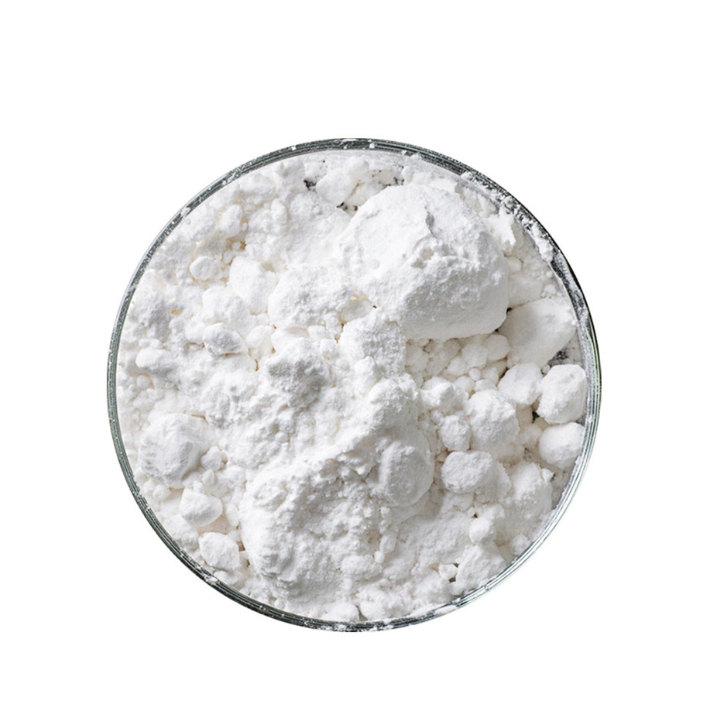
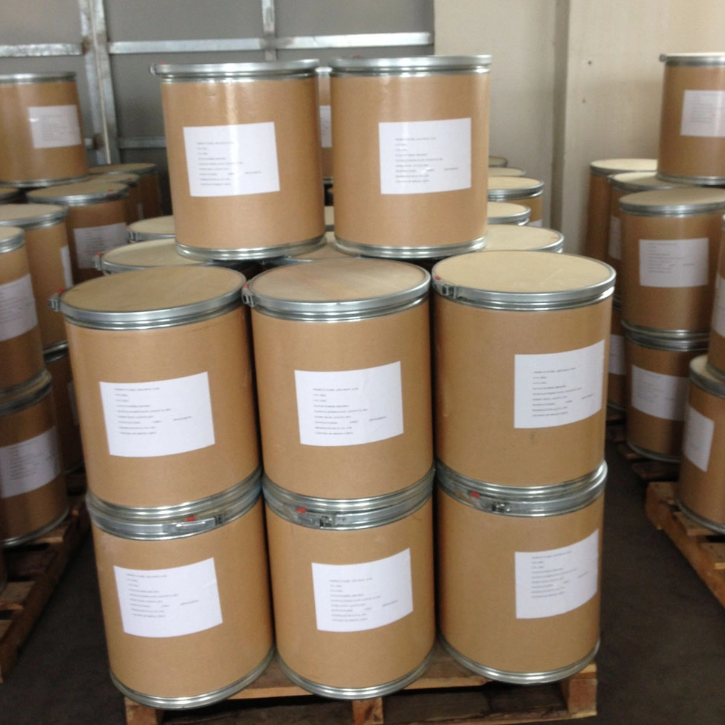

Chemical Name:Sodium amide
CAS No.:7782-92-5
Molecular Formula:H2NNa
Molecular weight:39.01
Sample: Available
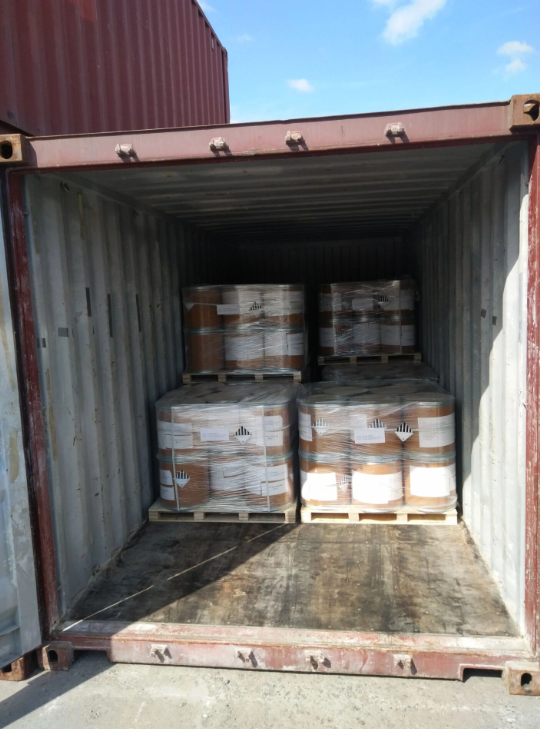
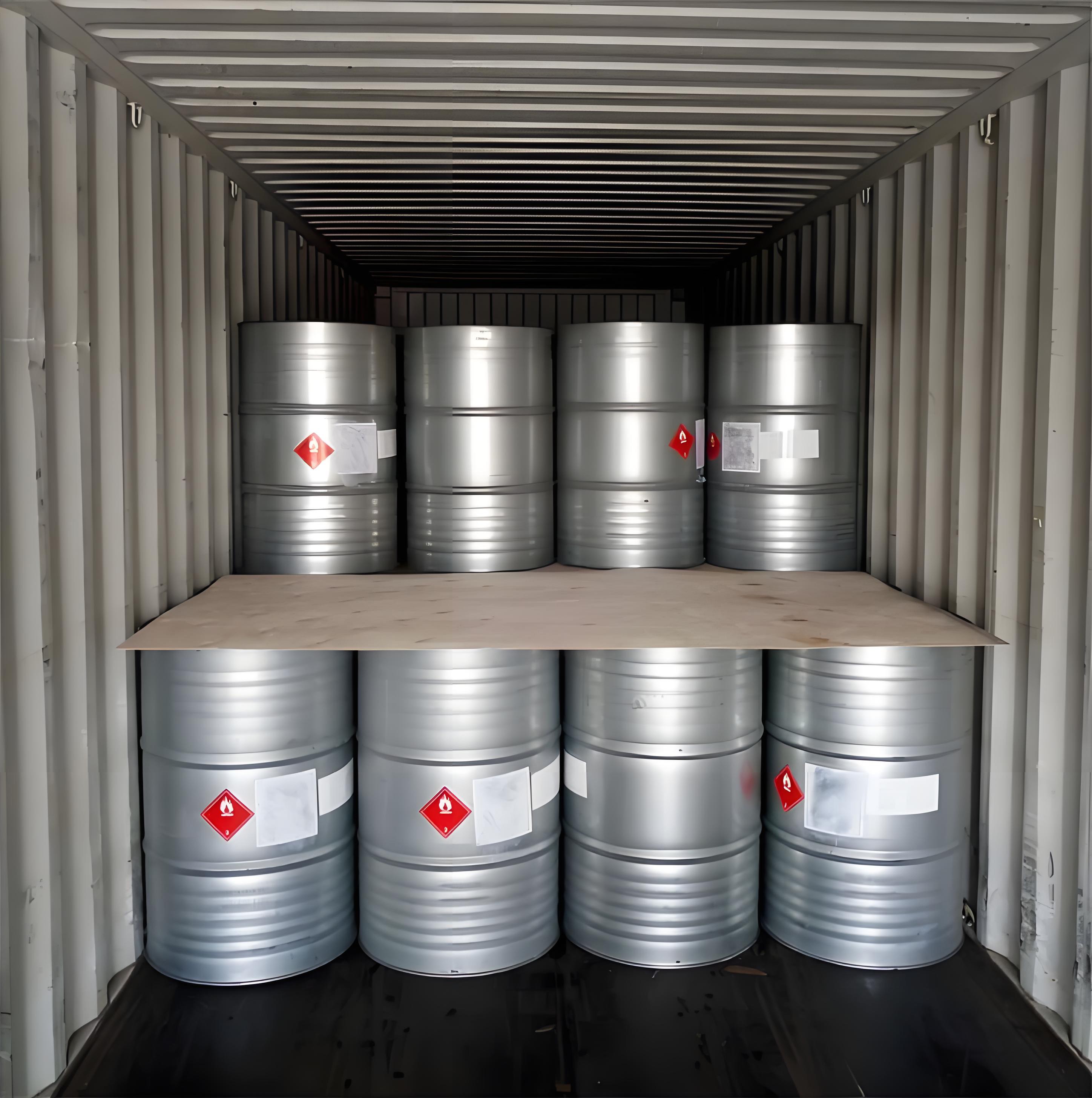
Mode of Transportation
1. By Air, fast but expensive.
2. By Sea, usual and economy.
3. By Train, suit for middle Asia countries.
4. By Express, suit for small package.
We only provide highest quality goods available, accompanied by after support!
Navigation
◉ product description
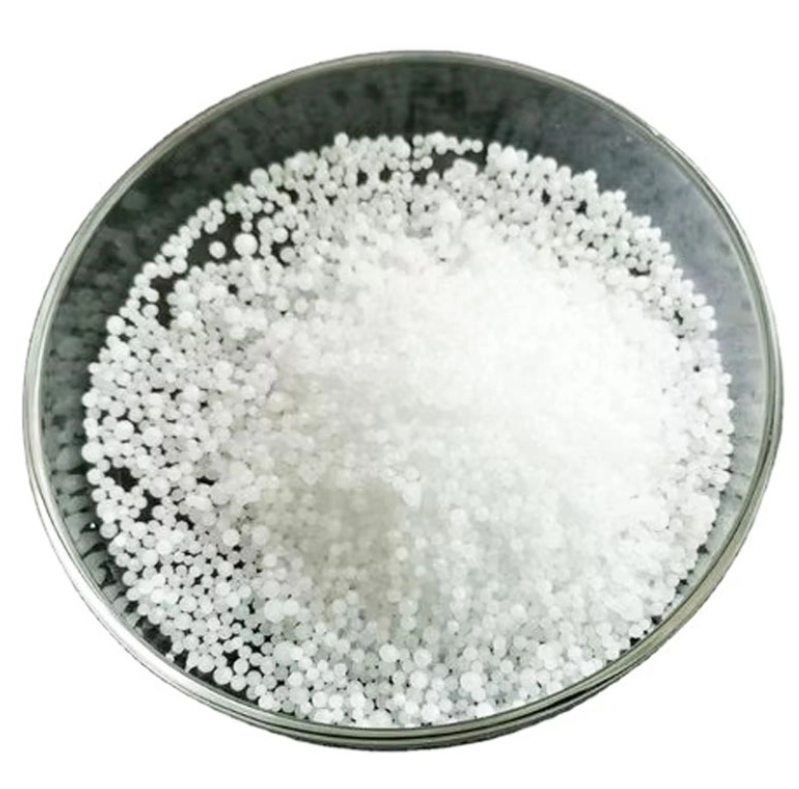
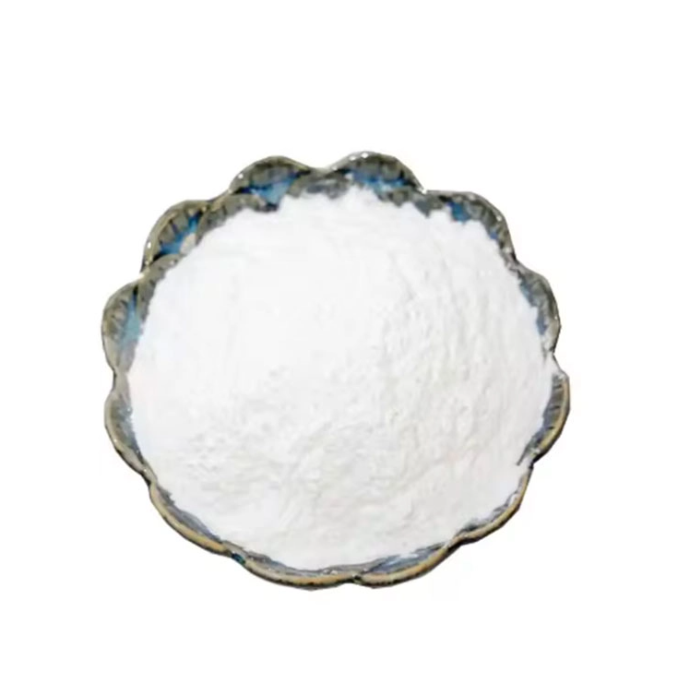
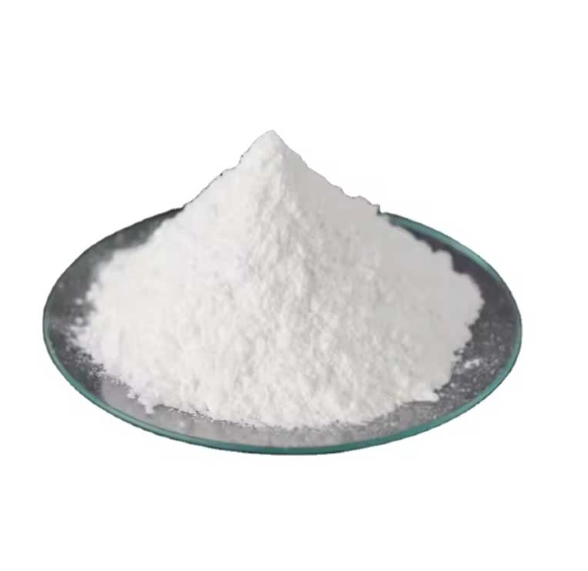
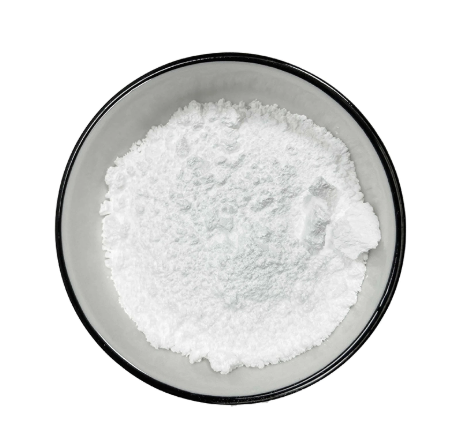
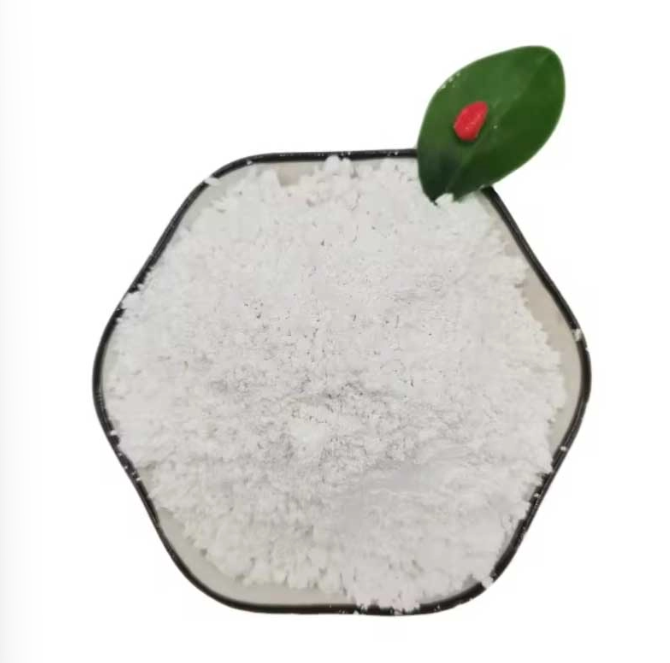
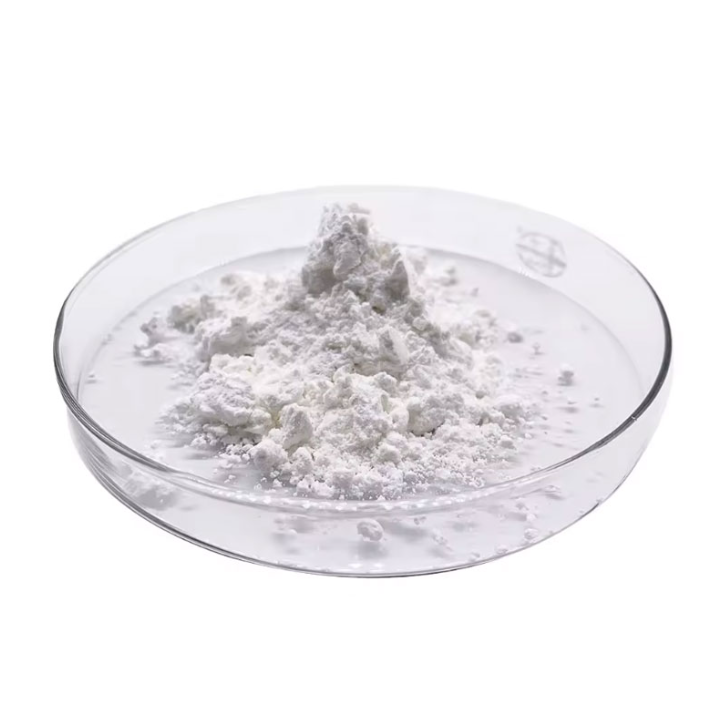
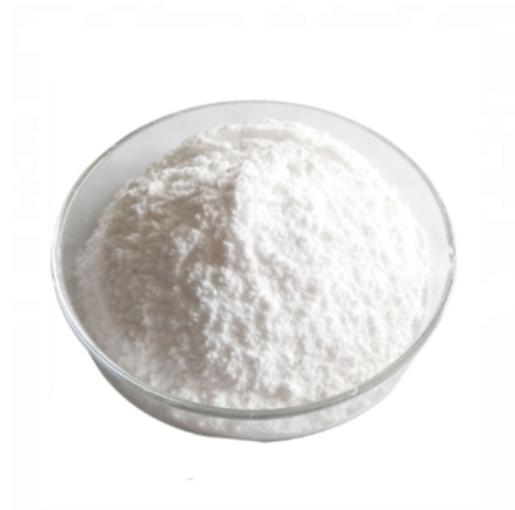
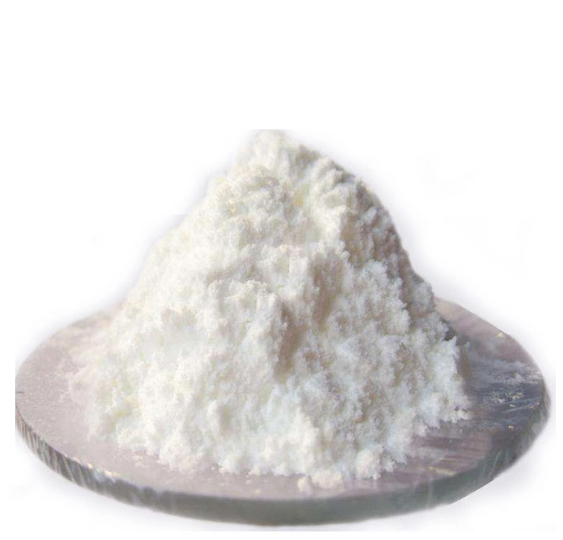
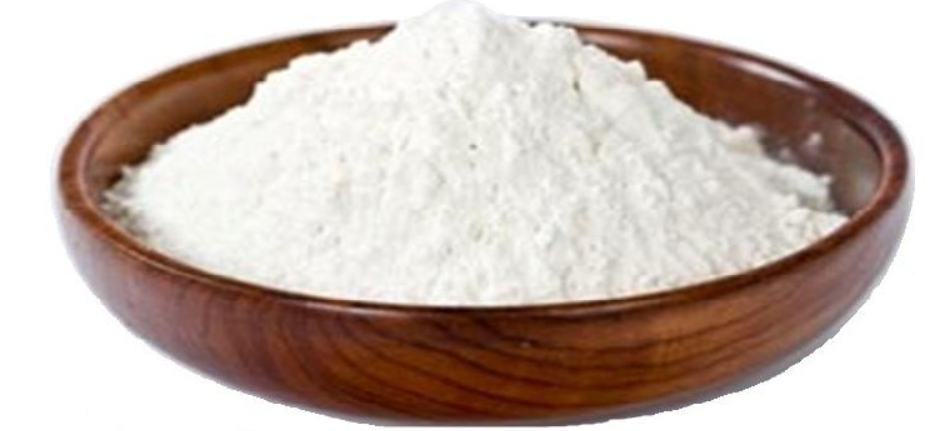
Sodium amide, also known as sodium amide or sodium ammonia, is a white or olive green crystalline powder with an ammonia smell. Its chemical formula is NaNH2, its molecular weight is 39.01, its melting point is 210℃, and its boiling point is 400℃. It decomposes into sodium, nitrogen and hydrogen when heated to 500-600℃. It reacts violently with water to form sodium hydroxide and release ammonia gas. It is slightly soluble in liquid ammonia and reacts slowly with alcohol. It absorbs carbon dioxide and water rapidly in the air and should be stored in a sealed container. It can dissolve metal magnesium, zinc, molybdenum, tungsten and quartz, glass, silicate and other substances in liquid state. It is an ionic compound composed of amino NH-2, a -1 valence atomic group formed by removing a hydrogen atom from sodium ions and ammonia molecules. Sodium amide is flammable, explosive, corrosive and deliquescent. Since amino groups have lone electron pairs and are easy to bind protons, they are strongly hydrolyzed in water, and their aqueous solutions are alkaline: NaNH2+H2O=NaOH+NH3. It is soluble in liquid ammonia and hot ethanol. Dust is toxic. Severely irritates the skin, eyes and respiratory system. Contact with the skin can cause corrosive burns. In organic synthesis, it is used as an aminating agent; condensation accelerator; dehydrating agent, dehalogenating agent; polymerization initiator and raw material for the manufacture of hydrazine, sodium cyanide, azide, cyanide, hydrazine and indigo. Sodium amide is easily oxidized in the air, and a layer of yellow oxidation products is generated on the surface. Some of these oxidation products are explosive and may explode due to friction or heat. When sodium amide is heated to 300-330°C in a vacuum, it decomposes into nitrogen, sodium, hydrogen and ammonia. Therefore, it is advisable to store it in a sealed bottle filled with an inert atmosphere to avoid contact with air, water or fire to avoid explosion and fire. Sodium amide reacts with carbon monoxide to produce sodium cyanide, which can be used to produce sodium cyanide. Sodium amide is usually used as a condensation accelerator, dehydrating agent, alkylating agent, etc. in organic synthesis. In industry, sodium amide is obtained by reacting molten sodium with gaseous ammonia at 300-400°C. In the laboratory, it is obtained by reacting sodium and liquid ammonia in the presence of a catalyst at room temperature.
Sodium amide Chemical Properties
Safety Information
◉ Factory Showcase
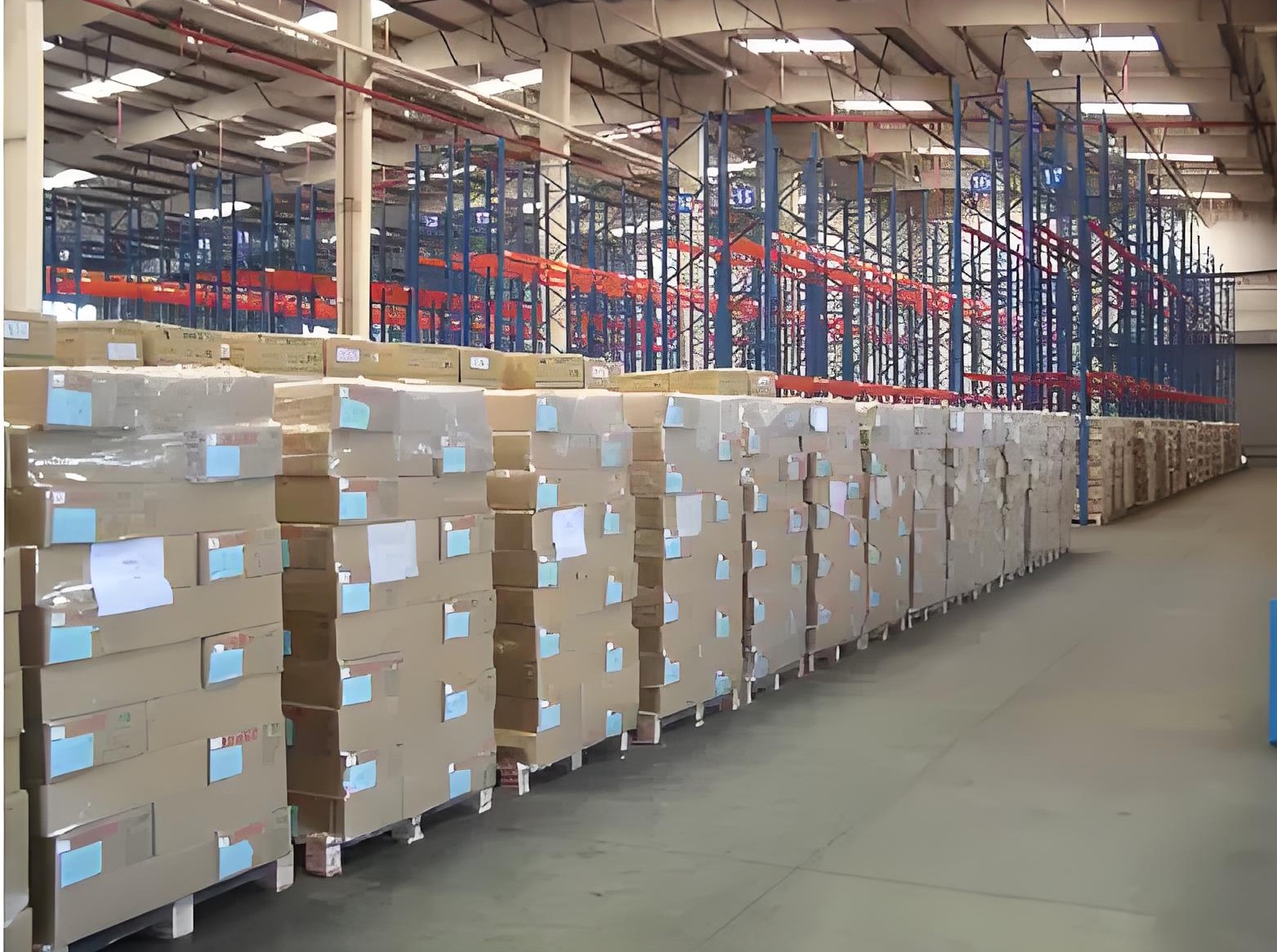
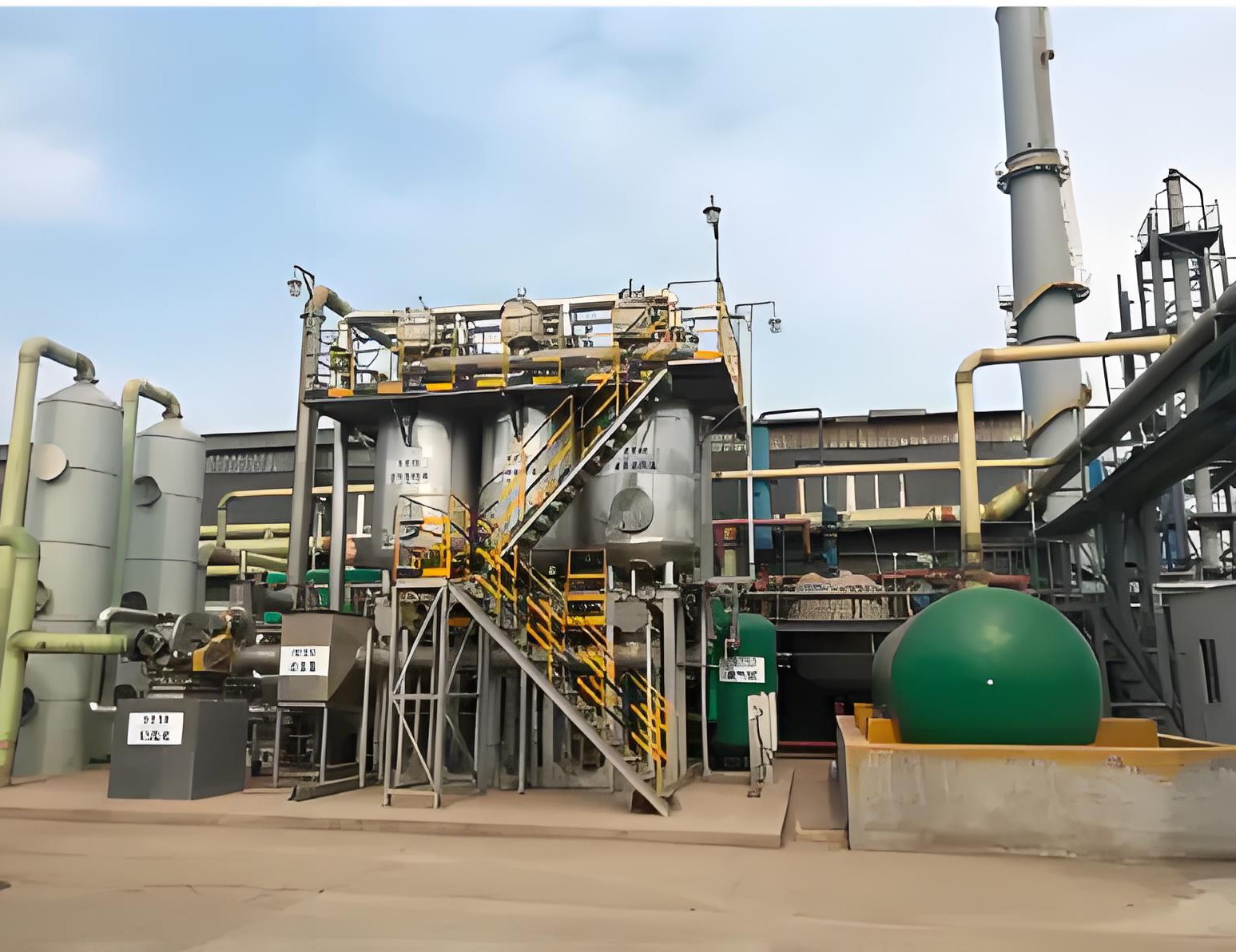
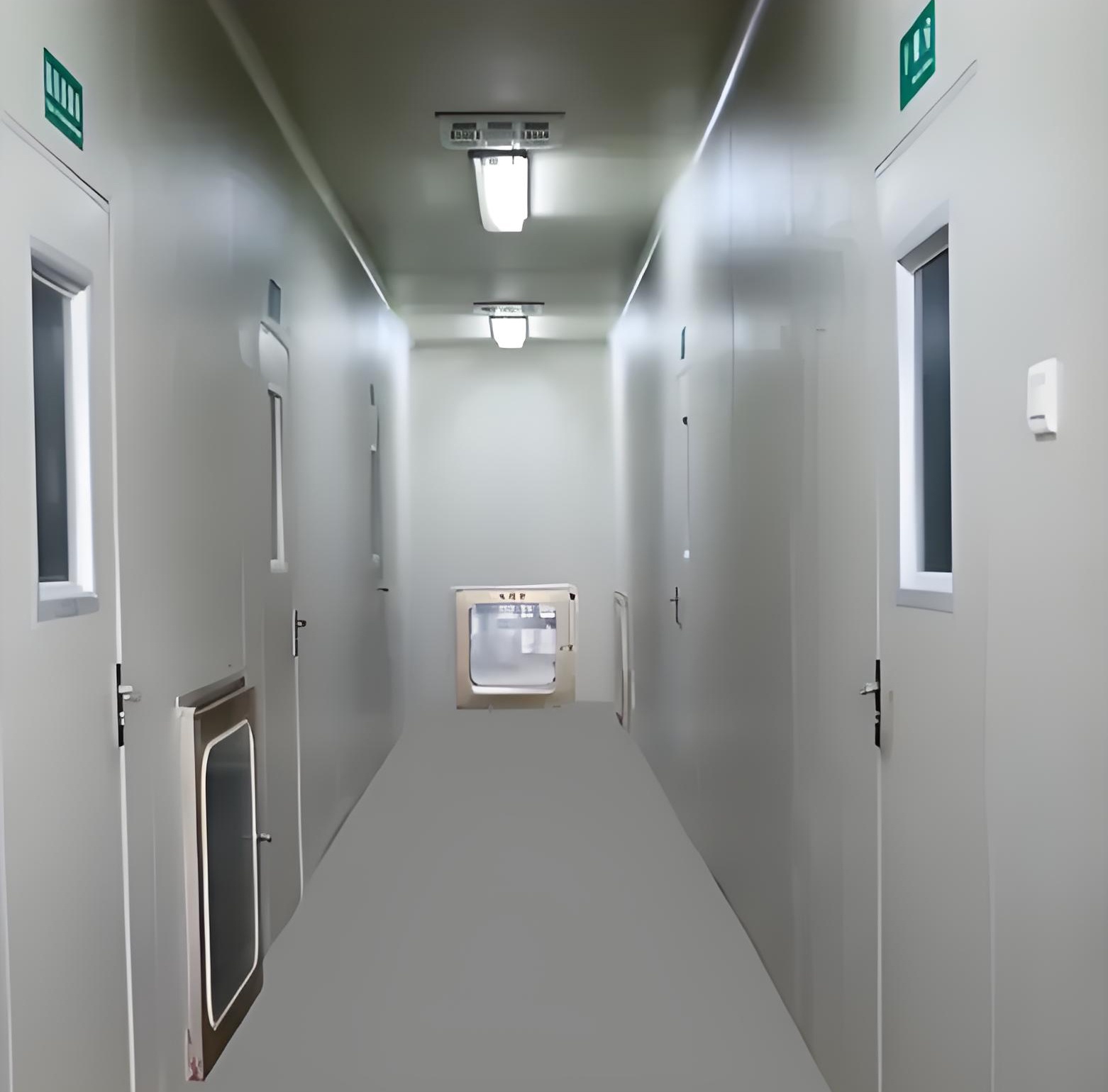
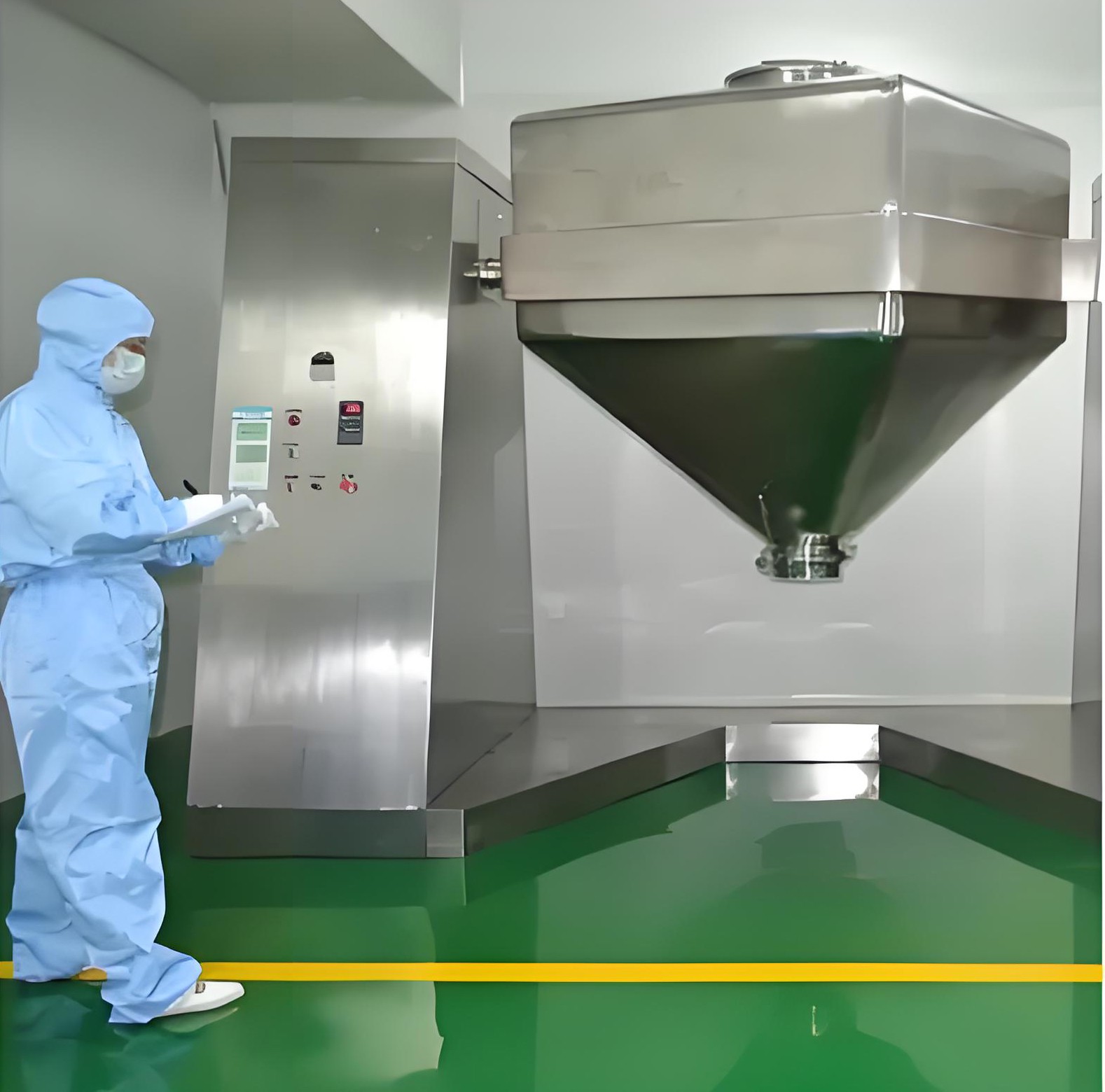
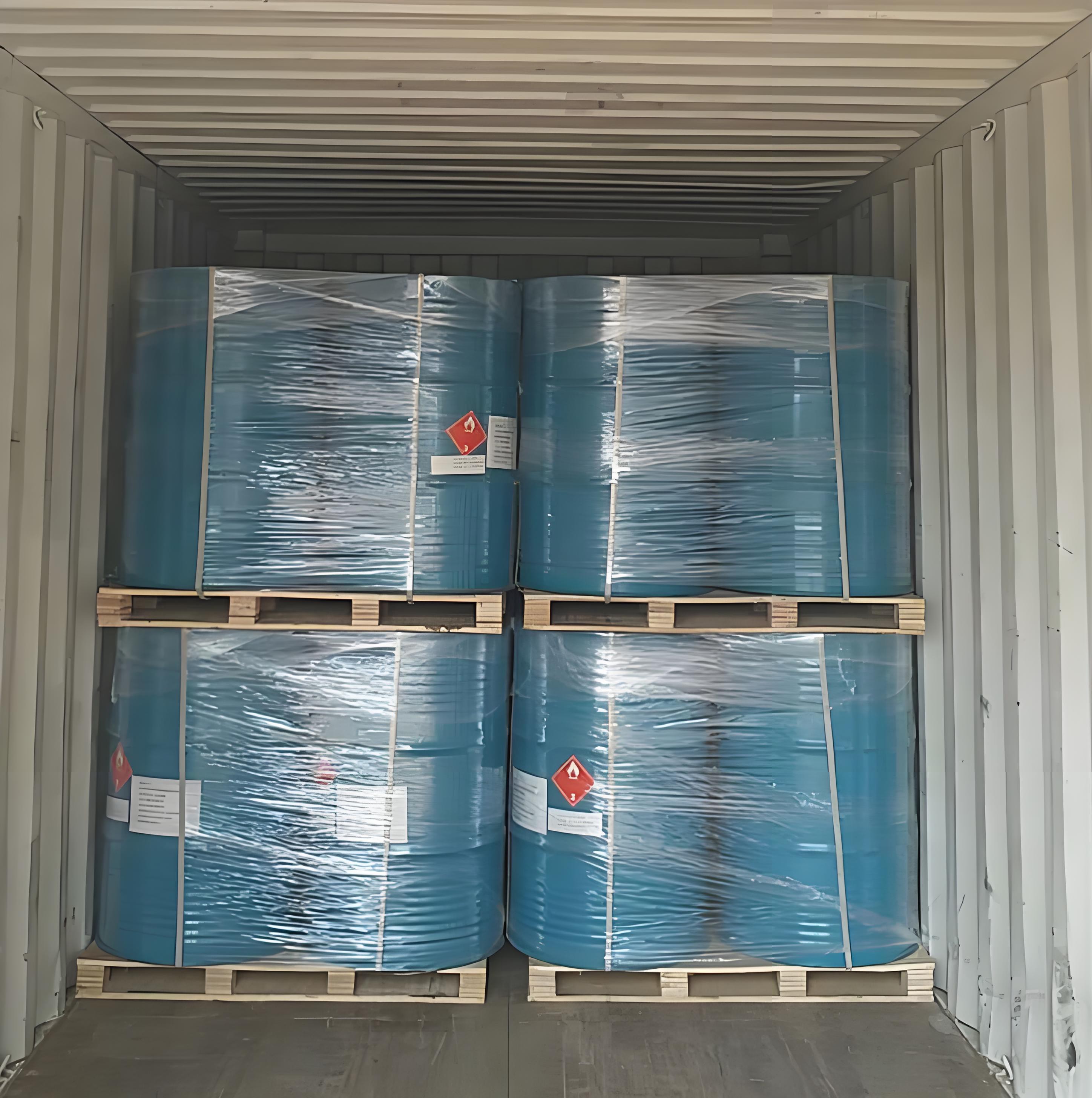
◉ Fast transport time
Inventory 2-3 working days New manufacturing 7-10 working days
◉ FAQ
Q:What about your price?
A:Our price is very competitive because we are a factory. Feel free to contact us if you are interested in our products.
Q:Can I go to your factory to visit?
A:Of course, we welcome customers from all over the world to visit our factory.
Q:How about the delivery time?
A:Within 3-15 days after we confirm you requirement.
Q:What is your terms of payment ?
A:T/T, L/C at sight, Cash, Western Union are all accepted if you have other payment,please contact me.
Q: Do you provide samples?
A:Yes,we could offer the sample for you to test but please pay freight fee.
◉ Contact Us
◉ Related Products
 CAS# 15245-12-2") Calcium Ammonium Nitrate (CAN) CAS# 15245-12-2
Calcium Ammonium Nitrate (CAN) CAS# 15245-12-2—
Learn More D-Camphorsulfonic acid CAS# 3144-16-9
—
Learn More Ethylenediaminetetraacetic Acid Disodium Salt#139-33-3
—
Learn More Phthalocyanine#147-14-8") Copper(II) Phthalocyanine#147-14-8
Copper(II) Phthalocyanine#147-14-8—
Learn More SODIUM METASILICATE PENTAHYDRATE CAS#10213-79-3
—
Learn More Calcium Sulfide CAS#20548-54-3
—
Learn More-Glucose CAS#50 - 99 - 7") D(+)-Glucose CAS#50 - 99 - 7
D(+)-Glucose CAS#50 - 99 - 7—
Learn More D-α-Tocopherol succinate CAS# 4345-03-3
—
Learn More Tetrabutylammonium Perchlorate CAS#1923-70-2
—
Learn More 2-Deoxy-D-glucose CAS#154-17-6
—
Learn More Carboxymethyl Starch CAS#9057-06-1
—
Learn More Dibutyl Phthalate CAS#84-74-2
—
Learn More